INSTM consortium spin-off · Milan · since 2011
Materials that return to nature.
Applied research, innovative materials and technologies for industry: from HydroPellets water-soluble composites to air filters, from smart packaging to photocatalytic treatments.
Figures refer to HydroPellets, our flagship product. Technical data provided by Nextmaterials based on internal tests and assessments.
Introduction
From university research to industry
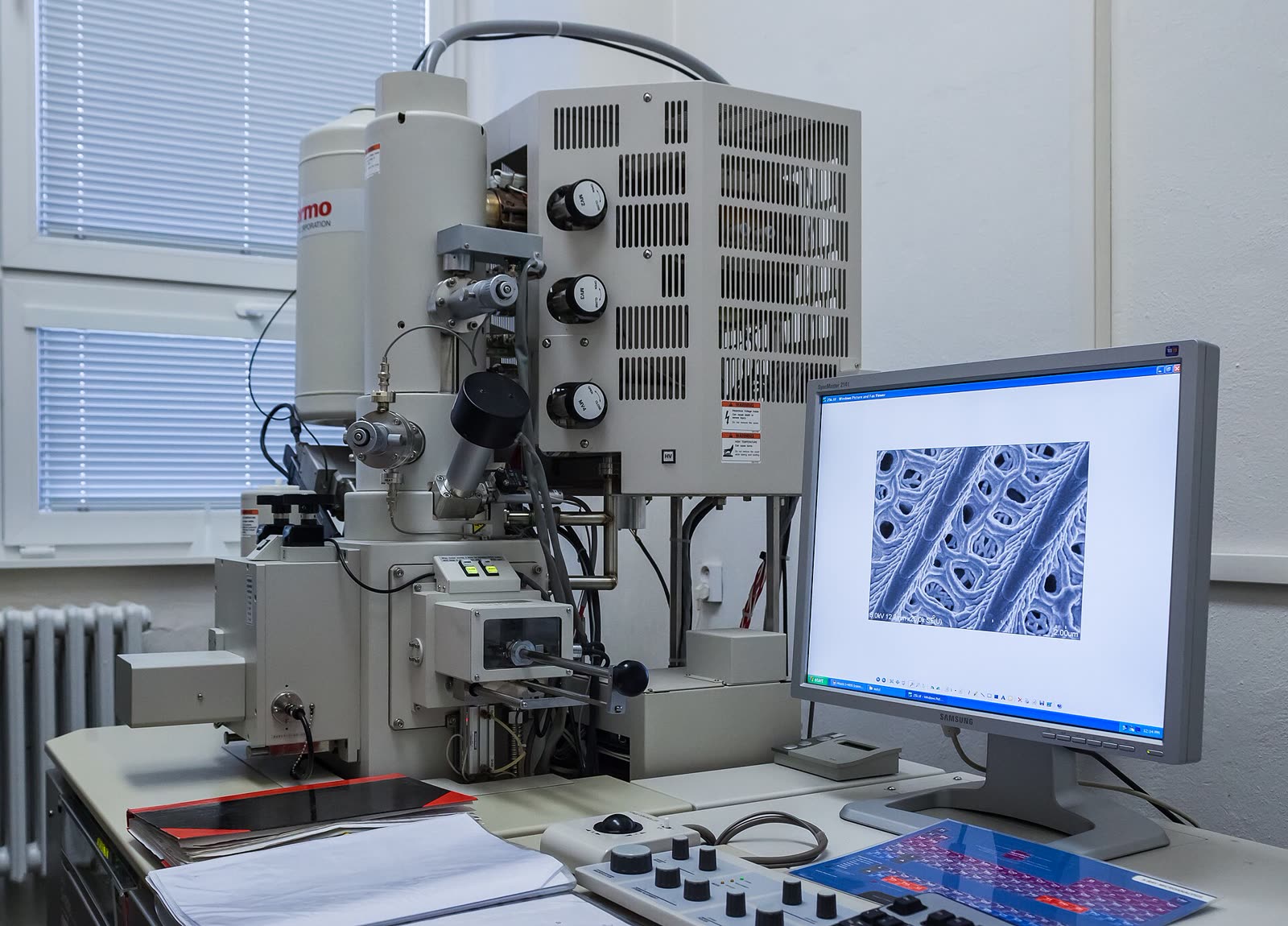
Nextmaterials s.r.l. is a Milan-based company founded in 2011 as a spin-off, affiliated with the Italian Interuniversity Consortium for Materials Science and Technology (INSTM).
We design, develop, select and apply innovative technologies for the production, forming, finishing and functionalisation of materials, components and products, aiming to make them both better performing and more sustainable.
Our approach
From laboratory to market, in three steps
Research
We work closely with academia and research on materials, finishes and related technologies.
Development
We turn the idea into a prototype and then into a process: applied research, development and pre-industrialisation on customer request.
Transfer
We bring the result to companies: licences, know-how, pilot plants and management of projects under European, national and regional calls.
Our link with research
Scientific expertise at the helm
Our founder and Chairman, Prof. Alberto Cigada, is Professor Emeritus of Materials Science and Technology at Politecnico di Milano and Head of Technology Transfer of the INSTM Consortium. He is also Honorary Editor in Chief of the Journal of Applied Biomaterials & Functional Materials.
- INSTM Consortium spin-off, with close ties to university research.
- Own patents since 2015, some developed for or with industrial partners (see Patents section).
- Research and industry: we identify academic and industrial partners for innovation projects.
- Artificial intelligence applied to material formulation, as for HydroPellets.
At a glance
Our activities
Services and technologies for materials innovation
Nextmaterials offers industry research and project-management services, and develops its own solutions. HydroPellets is the most advanced, but not the only one.
Flagship product
HydroPellets
Water-soluble composite granules with natural fillers (cellulose, talc, calcium carbonate, hazelnut shells…) for injection moulding, sheet extrusion and 3D printing, produced cold with 85% less energy.
Discover HydroPelletsApplied research
Research, development, pre-industrialisation and technology transfer of highly innovative materials, finishes and technologies, on customer request.
Project management
Definition and management of research projects under European, national and regional calls, and identification of academic and industrial partners.
FiltriNext
Filters for air-recirculation devices able to capture viruses, bacteria and solid particulates.
ScentTile
Tiles with programmable slow release of fragrances, to be installed in air-circulation systems.
Smart packaging
Development of intelligent packaging with high environmental sustainability, on specific customer request.
Sol-gel treatments
Supply and assistance in the use of sol-gel treatments with photocatalytic properties.
Focus · our flagship product
HydroPellets
Today the core of Nextmaterials’ industrial development: water-soluble composite granules produced by cold pressing, for injection moulding, extrusion and 3D printing.
What it is, in brief
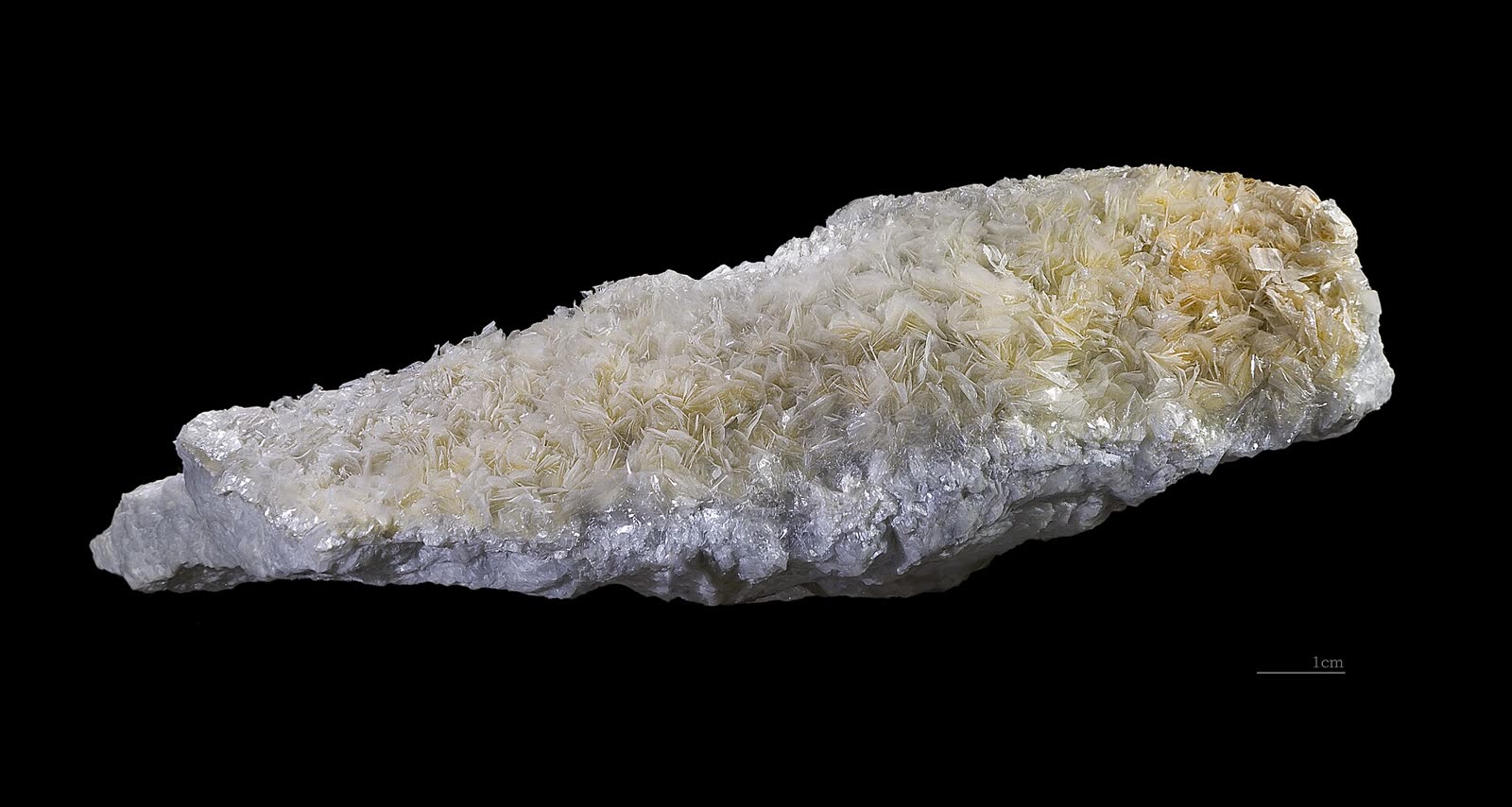
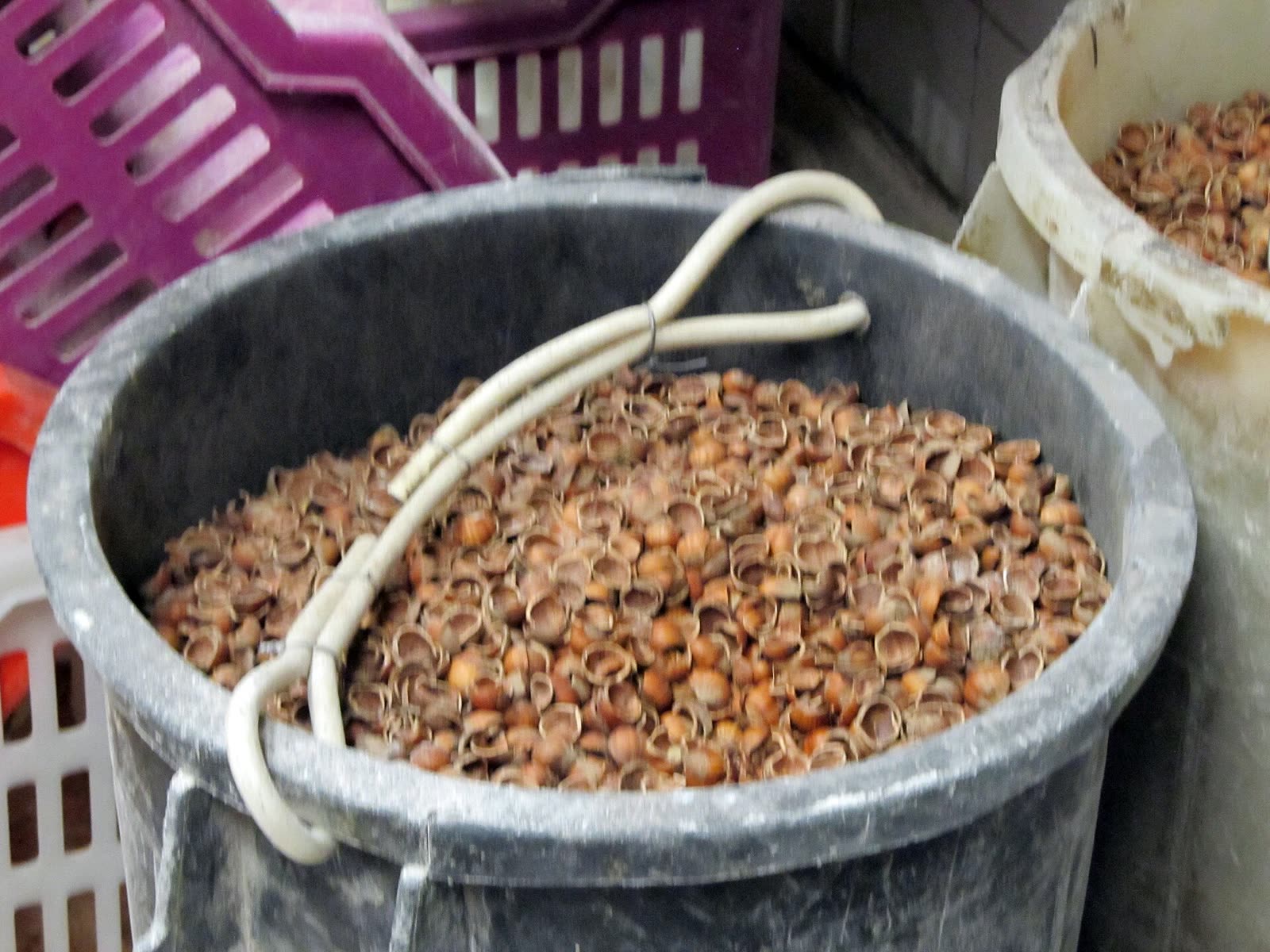
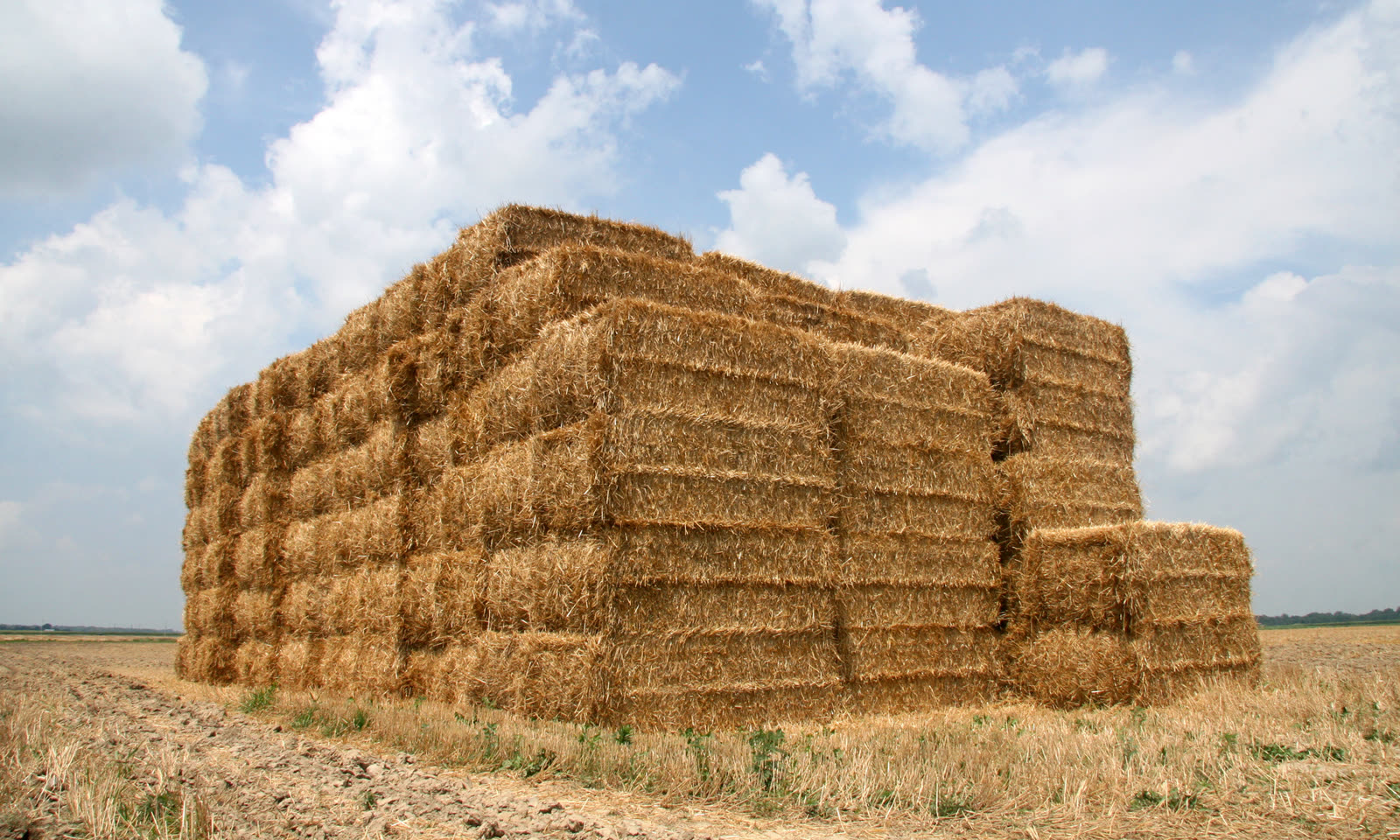
HydroPellets are granules of a patented water-soluble composite: a PVA matrix loaded with 55–70% fillers (talc, calcium carbonate, cellulose, but also hazelnut shells, hay…) and biodegradable additives. All components are non-toxic, and the result is a polymer composite with a low carbon footprint.
Patent application no. 102026000007816, filed on 23/03/2026.
Production
Made cold, with 85% less energy
The granules come from a patented cold-pressing technology. A 40 kg/hour pilot plant needs only 2.2 kW of total installed power.
Patent no. 102025000004206, filed on 28/02/2025.
- No turbo-mixing: the material is not stressed during extrusion.
- Dehumidification can be done in a cold air flow.
- Very low plant investment, for both small and large capacities.
- High productivity and low energy consumption.
Carbon footprint
Less than half the emissions of traditional water-soluble polymers
Natural and mineral fillers carry a small emission burden, which is why HydroPellets has a cradle-to-gate carbon footprint of 1.7–1.8 kg CO₂e per kg of material.
kg CO₂e / kg · cradle-to-gate values; hatched areas show the range.

Environment
If dispersed, it disappears in hours or days
HydroPellets objects that are inevitably or unfortunately dispersed in the environment degrade in water within hours and in moist soil within days, without releasing microplastics or other toxic substances.
in water
in moist soil
in industrial compost
in soil and water
Illustrative diagram, non-linear scale.
Recycling
Compatible with the paper supply chain
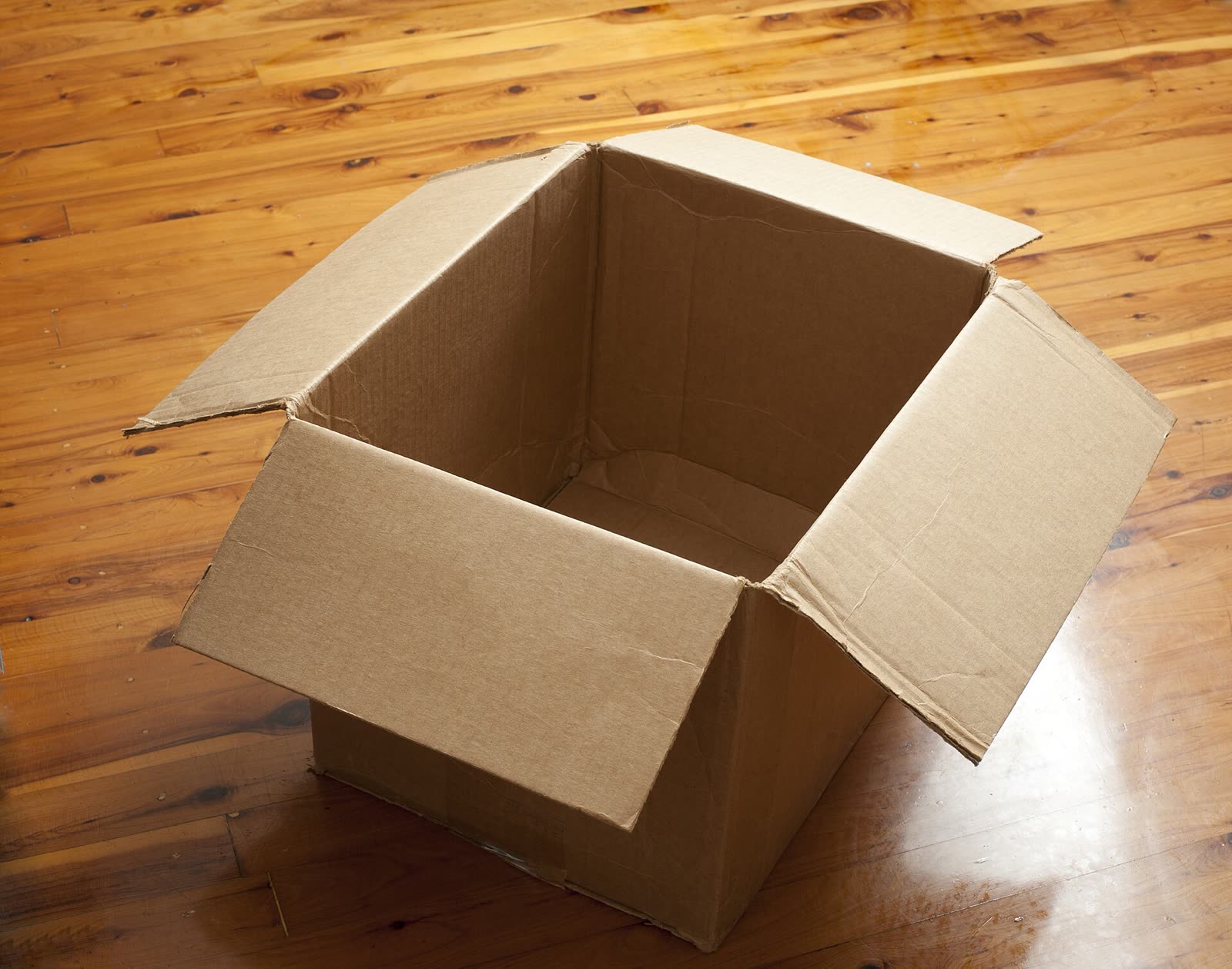
All HydroPellets constituents are paper additives. Components made of HydroPellets combined with at least the same weight of paper, cardboard or corrugated board are compatible with the paper supply chain and certifiable under CEPI and Aticelca.
This opens the way to highly innovative packaging solutions.
Colour
Two colours: GRAY and KRAFT
The colour depends on the fillers used. KRAFT, similar to the colour of cardboard, is of particular interest for packaging.
Indicative colour swatches.
Processing
Three ways to process it
Injection moulding
Good flow at temperatures of 190–200 °C, in grey, white or brown (cellulose fillers or hazelnut shells).
Sheet extrusion
Sheets, even large ones, with no added additives. Goal: thermoformable sheets for internal packaging dividers recyclable in the paper chain.
Pellet 3D printing
The granules can be used directly in pellet-fed 3D printing (FGF). Their low cost makes them competitive, especially for large formats.
Performance
Strong, flexible, programmable with AI
HDT at 0.45 MPa, optimised to avoid bleeding.
The material can be bent through 180° without breaking, with adequate strength, elongation and toughness.
Modulus and MFI are widely programmable using artificial intelligence, with good correlation between predicted values and experimental results.
Safety and cost
Safe components, competitive cost
The composition of the granules is designed to minimise cost: HydroPellets costs less than water-soluble polymers and is comparable to compostables.
- Not classified as hazardous (Reg. EC 1272/2008).
- No SVHC substances above 0.1%.
- Not PBT (persistent, bioaccumulative, toxic).
- Low risk to waters: WGK 1, the lowest of the three German classes.
Partnering on HydroPellets
From sample to plant
We work with companies at every level, from the first trial to industrial production.
Samples and supply
Samples and supply of HydroPellets granules for your trials.
AI-driven formulations
Development of new formulations and fillers, also through artificial intelligence.
Trials on a laboratory plant
Experimentation on a 30 kg/hour laboratory plant.
Production under your brand
Custom production under the customer’s brand.
Licences and know-how
Licensing of the patents and related know-how.
Pilot plants
Design and supply of 50–100 kg/hour pilot plants.
Investment opportunity
We are industrialising HydroPellets and looking for partners
Nextmaterials is committed to developing and industrialising HydroPellets, a technology with great application potential. We are interested in investment to grow and are looking for partners at various levels: industrial, financial and research.
Intellectual property
A patent portfolio built over more than ten years
Nextmaterials has developed and filed many patents, also for or with industrial partners. These are the ones it still owns.
Water-soluble polymer composite with low carbon footprintHydroPellets
Patent no. 102026000007816 · filed 23/03/2026
Low-density porous panels with high thermal and acoustic insulation from cellulosic waste
Patent no. 102025000015355 · filed 25/06/2025
Cold extrusion and granulation of eco-sustainable composites, and related deviceHydroPellets
Patent no. 102025000004206 · filed 28/02/2025
Highly environmentally sustainable composite material — Europe
Unitary European patent no. 3313926 · filed 24/06/2016 · granted 29/01/2025
Highly environmentally sustainable composite material — USA
US patent no. 11,059,957 B2 · filed 24/06/2016 · granted 13/07/2021
Low apparent density aggregate in thermoformed composite material
Patent no. 102019000004885 · filed 01/04/2019 · granted 17/02/2021
High energy-absorption cardboard packaging
Patent no. 102020000013477 · filed 05/06/2020
Highly environmentally sustainable composite material — Italy
Italian patent no. 102015000028276 · filed 26/06/2015 · granted 30/11/2017
Contact
Let’s talk about your project
Samples, licences, pilot plants or research collaborations: write to us.
- HydroPelletshydropellets@nextmaterials.it
- General enquiriesinfo@nextmaterials.it
- Operational officeVia Mellerio 2, 20123 Milano
Registered officeLargo Donegani 2, 20121 Milano